Source Paper Bag Machine Flexible Coupling for Industry
Find reliable paper bag machine flexible coupling options for power plants, mining transport, and chemical industry applications. Compare 30 listings featuring ISO and CE certified cast iron and aluminum models with technical support and customizable specifications; compare the available evidence and request quotations based on your requirements.
Key considerations
Products List


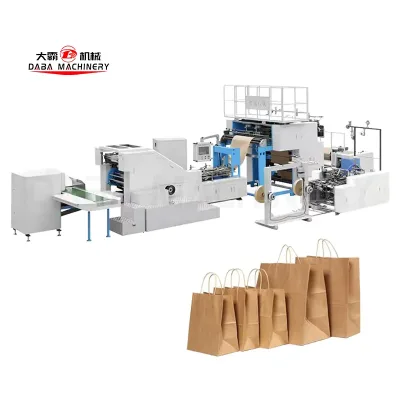
Paper Handle Bag Machine Paper Kraft Bag Machine Bag Making Machine Paper
$50000.00 - $80000.00
Moq: 1




Comprehensive Sourcing Guide
Paper Bag Machine Flexible Coupling Sourcing Guide
Sourcing flexible couplings for paper bag forming machinery requires a nuanced understanding of both mechanical transmission needs and the specific operational demands of high-speed packaging lines. These components serve as critical interfaces between motors and drive shafts, absorbing shock and compensating for misalignment to ensure consistent bag formation. Buyers must recognize that the coupling is not merely a passive connector but an active element influencing the overall efficiency and longevity of the bagging equipment.
The procurement process involves evaluating a wide range of product attributes, from material composition to surface treatment, to match the specific torque and speed requirements of your production line. Observed market listings indicate a diverse array of options, including elastic and universal coupling types, with materials ranging from cast iron to aluminum. Understanding these variations is essential for selecting a component that can withstand the continuous vibration and thermal cycles inherent in industrial paper bag manufacturing environments.
Product Scope and Observed Listing Signals
The current market landscape for paper bag machine flexible couplings reveals a significant variance in product specifications and pricing structures. Listings show price points ranging from approximately one to over two hundred thousand USD, reflecting differences in complexity, material quality, and customization levels. This broad spectrum suggests that buyers should not assume all couplings are interchangeable; instead, they must carefully assess whether a standard off-the-shelf unit or a custom-engineered solution best fits their specific machine model and operational throughput requirements.
Observed minimum order quantities (MOQs) typically range from one to one hundred units, indicating flexibility for both trial orders and bulk procurement. Many suppliers offer customization services, allowing buyers to specify shaft hole diameters, bore sizes, and torque ratings that align precisely with their existing machinery. For instance, specific models may feature bore diameters of 14mm or 19mm with defined speed limits, while others are designed for higher torque applications exceeding 80N.M. This variability underscores the importance of verifying technical compatibility before placing an order.
Technical Specifications to Verify
When evaluating flexible couplings, buyers must prioritize the verification of key technical parameters such as material composition, manufacturing process, and structural design. Common materials include cast iron (GG25) and aluminum, each offering distinct advantages in terms of weight, durability, and cost. The manufacturing process often involves casting followed by CNC machining to ensure precise dimensional tolerances, while surface treatments like oxygenation may be applied to enhance corrosion resistance. These factors directly impact the coupling’s performance under the high-speed conditions typical of paper bag forming machines.
Structural characteristics, such as flexibility and type (elastic or universal), play a crucial role in how the coupling handles misalignment and torsional vibrations. Buyers should confirm whether the coupling is standard or non-standard, as this affects availability and lead times. Additionally, specifications like paper bag width, length, and maximum speed (ranging from 50 to 500 pieces per minute) influence the required torque capacity and rotational speed of the coupling. Ensuring these parameters align with your machine’s operational limits is essential for preventing premature failure and maintaining production efficiency.
Compliance and Safety Documentation
Compliance with international standards is a critical aspect of sourcing industrial components, particularly for machinery that operates at high speeds and involves moving parts. Many suppliers indicate that their products adhere to ISO and CE certifications, which serve as indicators of quality management systems and safety compliance. However, buyers should verify the specific scope of these certifications to ensure they cover the exact product type and application. Documentation should clearly state whether the coupling meets relevant mechanical safety standards, providing assurance that the component has undergone rigorous testing and quality control processes.
In addition to certifications, buyers should request detailed technical documentation that includes material certificates, torque ratings, and dimensional drawings. This information is vital for integrating the coupling into your existing machinery and ensuring compatibility with other drive components. Suppliers may also provide information on warranty terms, typically offering a one-year warranty, which reflects their confidence in the product’s durability. Understanding the warranty conditions and the supplier’s technical support capabilities can mitigate risks associated with potential failures or installation issues.
Cost Drivers and Commercial Terms
The total cost of ownership for flexible couplings extends beyond the initial purchase price, encompassing factors such as shipping, customization, and long-term maintenance. Observed listings indicate that prices can vary significantly based on material, size, and customization requirements. Buyers should consider the cost implications of customizing shaft holes, bore diameters, and torque ratings, as these modifications may increase lead times and unit costs. Additionally, the choice between standard and non-standard components can impact availability and pricing, with custom orders potentially incurring higher fees.
Commercial terms, including payment methods, delivery times, and shipping arrangements, also play a significant role in the procurement decision. Suppliers often offer flexible delivery times based on order quantity, with shipments typically arranged by sea for international orders. Packaging options, such as wooden boxes or cartons, are designed to protect the couplings during transit, but buyers should confirm that the packaging meets their specific storage and handling requirements. Understanding these commercial terms helps in planning inventory levels and managing cash flow effectively.
Supplier Qualification and Quality Control
Selecting a reliable supplier is paramount to ensuring the quality and consistency of flexible couplings for paper bag machines. Buyers should prioritize suppliers with a proven track record in manufacturing and supplying industrial components, particularly those with experience in the packaging machinery sector. Verification of the supplier’s manufacturing capabilities, including their use of CNC machining and casting processes, can provide insight into their ability to produce high-precision components. Additionally, suppliers located in industrial hubs, such as Jingjiang in Jiangsu Province, may offer advantages in terms of supply chain efficiency and expertise.
Quality control measures implemented by the supplier are another critical factor to consider. Buyers should inquire about the supplier’s quality assurance processes, including inspection protocols and testing procedures for torque and dimensional accuracy. Suppliers that offer technical support and after-sales service can provide valuable assistance in troubleshooting installation issues or addressing performance concerns. Establishing a clear communication channel with the supplier ensures that any quality-related issues are resolved promptly, minimizing downtime and maintaining production continuity.
Long-Term Procurement Checks
Long-term procurement success depends on establishing a robust relationship with suppliers and implementing continuous improvement strategies. Buyers should regularly review supplier performance metrics, including delivery times, product quality, and responsiveness to technical queries. Consistent performance from suppliers can lead to better pricing, priority production scheduling, and enhanced technical support. Additionally, staying informed about advancements in coupling technology and materials can help buyers identify opportunities for upgrading their machinery and improving overall efficiency.
Regular audits of the installed couplings and monitoring their performance under operational conditions can provide valuable insights into potential issues or areas for improvement. Buyers should maintain detailed records of coupling specifications, installation dates, and maintenance activities to facilitate proactive replacement and minimize unexpected failures. By fostering a collaborative relationship with suppliers and prioritizing quality and reliability, buyers can ensure the long-term success of their paper bag manufacturing operations and achieve sustainable cost savings.
FAQs
What materials are used for paper bag machine flexible couplings?
These couplings are typically manufactured from cast iron GG25 or aluminum. The choice depends on the specific torque requirements and environmental conditions of the bag forming machine. Cast iron offers durability for heavy-duty applications, while aluminum provides lighter weight options for high-speed operations.
Can I customize the size of the flexible coupling?
Yes, customization is available for both bore diameter and overall size. Buyers can request specific dimensions such as a 14mm bore or other customer-required sizes. This ensures the coupling fits precisely into the paper bag machine's shaft, maintaining optimal performance and alignment during high-speed operation.
What certifications do these couplings hold?
The products hold ISO and CE certifications, ensuring compliance with international safety and quality standards. These credentials verify that the manufacturing process, including casting and CNC machining, meets rigorous industry requirements. This makes them suitable for export and use in regulated global markets for industrial machinery.
How is the coupling surface treated for durability?
The surface undergoes oxygenation treatment to enhance corrosion resistance and longevity. This process protects the iron or aluminum material from environmental wear. Combined with a flexible structure, this treatment ensures reliable performance in various industrial settings, including power plants, mining, and chemical industries where machinery faces harsh conditions.
What is the warranty period for these components?
A one-year warranty is provided for these flexible couplings. This coverage protects buyers against manufacturing defects and ensures product reliability. The warranty applies to standard models and customized variants, offering peace of mind for investors in paper bag machines and other industrial equipment requiring precise mechanical transmission components.
Which types of flexible couplings are available?
Available types include universal couplings and elastic couplings, such as the WS and WSD models. These designs accommodate misalignment and absorb shock loads effectively. The elastic type is particularly suited for high-speed applications like bag forming machines, ensuring smooth power transmission and reduced wear on connected machinery components.